The 2026 Compliance Cliff: Why Bangladesh’s Textile Market Is Changing
Key insight:Environmental compliance has transitioned from an optional operational upgrade to a fundamental survival requirement for Bangladeshi textile enterprises aiming to maintain EU market share and order stability in 2026.
Bangladesh’s ready-made garment sector stands at a critical structural juncture as the nation prepares for its official graduation from the Least Developed Country (LDC) category in November 2026 . The impending expiration of the Everything But Arms (EBA) preferential arrangement will fundamentally alter the cost architecture of the industry, eventually exposing exporters to standard Most Favored Nation tariffs ranging from 9% to 12% . This tariff escalation coincides with a broader regulatory transformation driven by the European Union, which is implementing a stringent compliance framework between 2026 and 2027. The rollout of the Digital Product Passport (DPP), the Ecodesign for Sustainable Products Regulation (ESPR), and the Corporate Sustainability Due Diligence Directive (CSDDD) mandates verifiable, SKU-level documentation of raw material sourcing, chemical safety profiles, and environmental impact metrics . These regulations collectively establish a non-negotiable compliance firewall that directly dictates market access for South Asian manufacturers.
The operational reality of this transition is already reflected in recent trade data. In the first half of 2026, Bangladesh’s apparel exports to the EU declined by 16.43%, with the country’s market share in the EU apparel import market contracting from 24.4% to 21.9% . This contraction occurs alongside aggressive market expansion by regional competitors. Vietnam and India are capitalizing on existing or forthcoming Free Trade Agreements that guarantee zero-tariff access to European markets, reversing Bangladesh’s historical 12-percentage-point price advantage over India . Furthermore, global procurement strategies are undergoing a systematic shift. International brands and retailers are increasingly prioritizing supply chain transparency, utilizing environmental audit results and chemical compliance records as primary filters for order allocation . This structural evolution defines the Bangladesh 2026 textile market demand: a decisive pivot from cost-driven manufacturing to compliance-driven value creation.
For local dyeing and finishing facilities, this macroeconomic shift translates into immediate operational imperatives. Traditional chemical inputs that lack verifiable environmental credentials or generate high effluent toxicity are rapidly becoming liabilities rather than assets. The Bangladesh 2026 textile market demand is characterized by a requirement for textile finishing agents in Bangladesh that can simultaneously satisfy rigorous international audit standards and reduce wastewater treatment burdens, and maintain production throughput. Enterprises that fail to align their chemical procurement strategies with these emerging regulatory baselines will face escalating compliance costs, delayed customs clearances, and systematic order attrition. Conversely, facilities that proactively integrate advanced chemical solutions can transform regulatory pressure into a competitive export advantage, securing preferential access to premium buyer networks that mandate strict sustainability protocols.
What Suniclean FC-X100 Is: Blocked Isocyanate Crosslinking
Key insight:Molecular-level eco-design eliminates hazardous residues while significantly enhancing wet-rub fastness and anti-yellowing performance, achieving simultaneous process simplification and quality elevation.
Suniclean FC-X100 leverages blocked isocyanate crosslinker technology, featuring a proprietary non-toxic formulation optimized for modern textile finishing and dye fixation applications . Unlike conventional chelating dispersants that often require strong alkaline conditions, Suniclean FC-X100 maintains exceptional chemical stability across a broad pH spectrum (pH 3–12). This wide-range adaptability ensures consistent performance, improving applicability by 50% compared to traditional products limited to specific conditions .
The core technological advantage of the product lies in its efficient crosslinking architecture. Upon thermal activation (typically above 120°C), the formulation establishes a dense, three-dimensional polymer network on the fiber surface . This structural reinforcement significantly improves wet-rub color fastness and water resistance, effectively locking pigments and reactive dyes into the fabric matrix without compromising textile hand feel or breathability . The crosslinking process also enhances the material’s resistance to yellowing and degradation under prolonged exposure to light, heat, and humid storage conditions, which is essential for maintaining the aesthetic integrity of exported garments during extended transit and retail display periods.
From an environmental and operational safety perspective, the product is explicitly designed to be formaldehyde-free, contains no free isocyanates, and features a low-odor formulation . A critical operational benefit is its capacity to eliminate secondary washing processes. Its patented molecular structure allows it to automatically decompose into water-soluble substances, This self-decomposing characteristic aligns perfectly with the growing industry demand for sustainable dyeing chemicals that minimize effluent load without requiring additional rinsing cycles or complex post-treatment protocols. The integration of such eco-friendly textile auxiliaries into standard production workflows enables facilities to achieve higher first-pass yield rates while simultaneously lowering their environmental footprint.
Aligning with EU GSP+, ESPR and the Digital Product Passport
To qualify for the EU’s GSP+ preferential scheme and maintain tariff-free market access post-LDC graduation, Bangladeshi manufacturers must demonstrate strict adherence to a comprehensive set of international environmental and labor conventions . Suniclean FC-X100 serves as a direct compliance bridge, with its chemical profile, safety documentation, and traceability framework pre-aligned with upcoming EU regulatory requirements. The product’s formaldehyde-free and low-odor profile aligns with the stringent chemical safety thresholds mandated by the ESPR and DPP frameworks, which require verifiable product data including chemical safety profiles . By providing transparent, auditable data on ingredient composition and environmental impact, the auxiliary enables manufacturers to seamlessly populate digital product passports and pass third-party sustainability audits without operational disruption. Buyer note: the two audit frameworks most EU buyers ask for at this stage are ZDHC MRSL conformance and OEKO-TEX Standard 100; documentation that speaks to both shortens the approval cycle.
| EU Regulatory Requirement (2026-2027) | Compliance Challenge for Local Mills | Suniclean FC-X100 Alignment Strategy |
| Digital Product Passport (DPP) | Requirement for SKU-level chemical and environmental data | Provides fully documented, traceable formulation data and safety certifications for seamless digital integration |
| Ecodesign for Sustainable Products Regulation (ESPR) | Mandatory reduction of hazardous substances and improved recyclability | Formaldehyde-free, low-odor composition with high biodegradability ensures compliance with restricted substance lists |
| Corporate Sustainability Due Diligence Directive (CSDDD) | Supply chain transparency and environmental risk mitigation | Eliminates secondary washing and reduces wastewater toxicity, lowering downstream environmental liability |
| Circular Economy Transition | Integration of low-impact industrial processes and waste reduction | Supports resource efficiency by minimizing water and energy consumption during finishing stages |
The strategic deployment of compliant textile auxiliaries for the EU GSP scheme 2026 extends beyond mere regulatory adherence; it fundamentally restructures the manufacturer’s risk profile. Traditional chemical procurement often introduces hidden liabilities related to restricted substance violations, wastewater non-compliance, and worker safety incidents. By transitioning to a verified eco-friendly formulation, facilities can systematically eliminate these compliance risks. Furthermore, the product’s environmental credentials are reinforced by its compatibility with Bangladesh’s national circular economy strategy, which emphasizes sustainable industrialization, resource efficiency maximization, and the systematic reduction of pre-consumer textile waste . This alignment ensures that chemical procurement decisions directly contribute to long-term export market retention and support the broader national objective of transitioning from linear manufacturing models to circular, low-impact production ecosystems.
Suniclean FC-X100 vs Traditional Local Auxiliaries
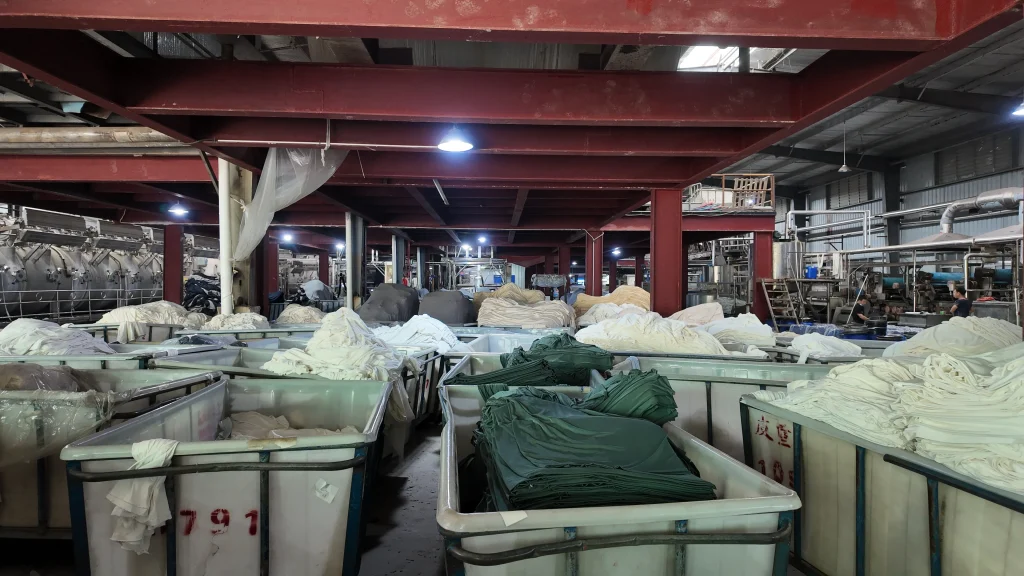
The transition to advanced chemical inputs requires a clear, data-informed understanding of operational trade-offs. A comparative analysis between Suniclean FC-X100 and conventional local textile auxiliaries reveals distinct advantages in both technical performance and total cost of ownership. Traditional formulations frequently depend on strong alkaline conditions to achieve adequate dye fixation, which necessitates strict bath condition control and increases the risk of fiber degradation . Additionally, conventional auxiliaries often leave residual chemical deposits on fabric surfaces, mandating extensive post-treatment rinsing that escalates water consumption and wastewater treatment expenses . In contrast, the advanced formulation of Suniclean FC-X100 delivers superior performance across multiple critical operational metrics.
| Evaluation Metric | Traditional Local Auxiliaries | Suniclean FC-X100 |
| Color Fixation & Fastness | Moderate wet-rub resistance; prone to fading under repeated washing | High-density crosslinking network ensures exceptional wet-rub fastness and color retention |
| Operational pH Range | Narrow stability window; requires strict bath condition control | Broad pH adaptability ensures consistent performance across diverse dyeing environments |
| Post-Treatment Requirements | Mandatory secondary washing to remove chemical residues | Eliminates secondary washing through self-decomposing, water-soluble byproducts |
| Environmental & Safety Profile | Often contains restricted substances; higher VOC emissions | Formaldehyde-free, low-odor, and highly biodegradable formulation |
| Wastewater Treatment Load | High chemical oxygen demand (COD) and heavy metal chelation needs | Significantly reduces effluent toxicity and simplifies downstream water purification |
This performance matrix demonstrates that Suniclean FC-X100 functions as a high-performance dye fixative for cotton fabrics in Bangladesh, delivering enhanced durability while simultaneously lowering the operational burden on effluent treatment plants. The reduction in water and energy consumption translates into a lower comprehensive operational cost over the production lifecycle. Facilities that adopt this auxiliary can reallocate capital previously dedicated to wastewater neutralization and secondary rinsing toward capacity expansion or workforce training. Moreover, the elimination of harsh chemical residues reduces the frequency of equipment maintenance and extends the operational lifespan of dyeing machinery. From a procurement perspective, the initial investment in premium eco-friendly textile auxiliaries is rapidly offset by the cumulative savings in utility costs, compliance penalties, and quality rejection rates. This economic rationale positions the product as a strategically sound alternative to legacy chemical systems that are increasingly incompatible with modern export standards.
Applying Suniclean FC-X100 on the Dyeing and Finishing Line
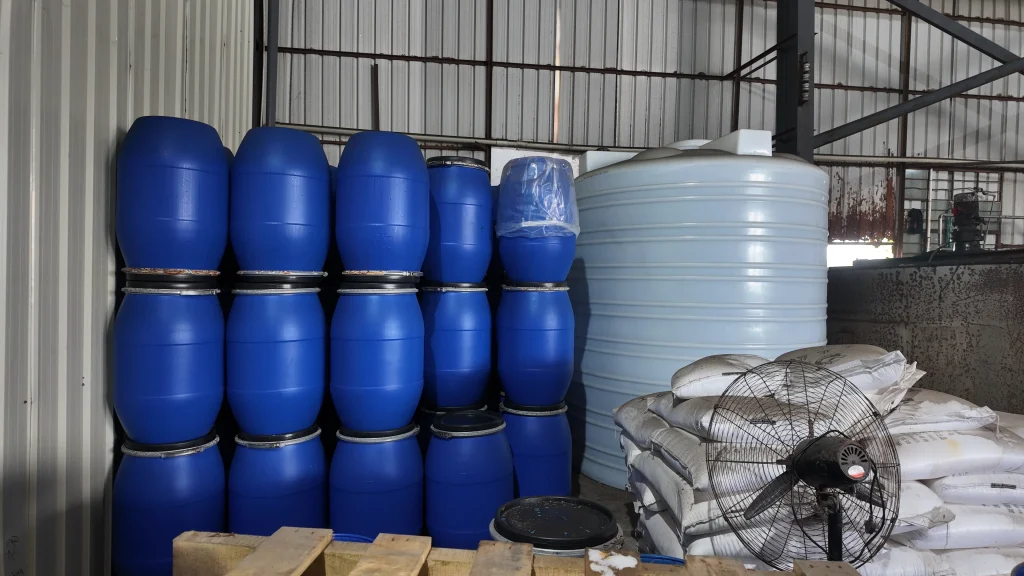
Key insight:Seamless integration into existing dyeing and finishing lines reduces water consumption and energy load, directly elevating the export premium of high-value functional textiles.
The deployment of Suniclean FC-X100 is optimized for the specific operational constraints of the Bangladeshi textile ecosystem, which faces persistent structural challenges related to water scarcity, energy cost volatility, and supply chain fragmentation . The auxiliary is engineered for straightforward integration into standard cotton dyeing, post-finishing, and functional fabric processing workflows without requiring capital-intensive equipment modifications. During the dye fixation stage, it can be introduced directly into the finishing bath as a stable one-component system, eliminating the need for complex pre-mixing or immediate on-site activation protocols . This operational simplicity reduces formulation errors and ensures consistent batch-to-batch quality, which is essential for fulfilling large-scale export orders under tight delivery schedules.
For knitwear and woven fabric manufacturers, the product’s cross-linking mechanism enhances the structural integrity of cotton fibers, improving resistance to mechanical stress during industrial washing and prolonged consumer wear . In functional textile applications, the formulation supports the development of durable finishes that maintain performance characteristics through multiple laundering cycles. By eliminating the need for secondary rinsing, production facilities can significantly reduce freshwater intake and thermal energy expenditure. This operational efficiency is critical for mills seeking to position themselves as providers of the best non-toxic fabric softener for Bangladeshi mills, catering to international brands that mandate strict environmental and worker safety standards. The streamlined process not only accelerates production throughput but also ensures consistent fabric hand feel and dimensional stability, which are key quality indicators for premium apparel buyers.
Furthermore, the auxiliary’s compatibility with diverse fiber types and dye classes enables manufacturers to expand their product portfolios into high-margin functional textiles, including moisture-wicking activewear, antimicrobial medical garments, and UV-protective outdoor apparel. By integrating sustainable dyeing chemicals into these specialized production lines, facilities can command higher export premiums while maintaining compliance with increasingly stringent international buyer codes of conduct. The strategic application of Suniclean FC-X100 across the textile value chain thus serves as both an operational efficiency tool and a market differentiation mechanism, enabling Bangladeshi manufacturers to transition from low-cost commodity production to value-added, compliance-driven manufacturing.
2026 Procurement Strategy: What to Do Next
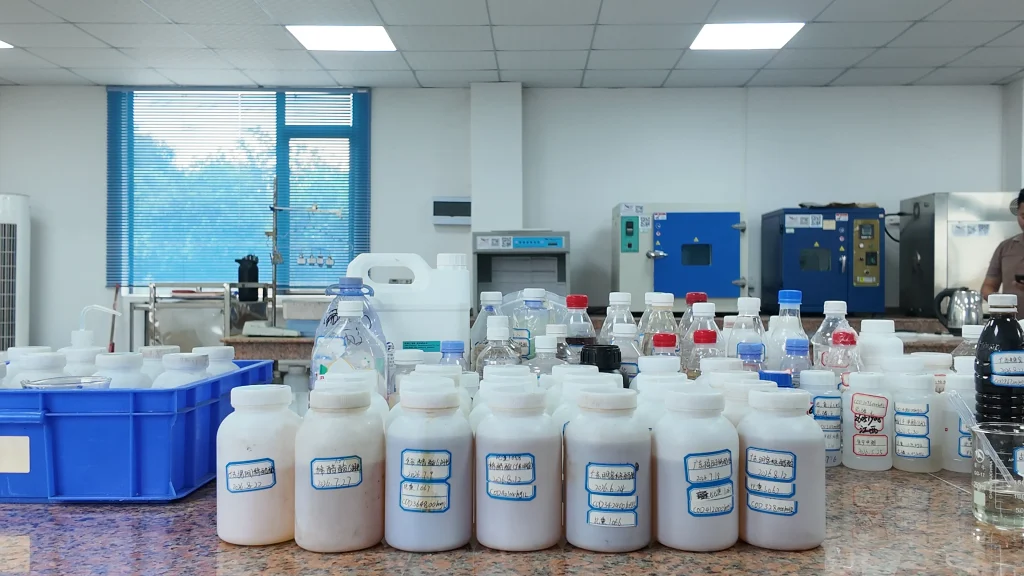
Manufacturers that have transitioned to compliant chemical systems report enhanced order retention rates, reduced compliance-related delays during customs and brand audits, and improved negotiation leverage with premium buyers who prioritize supply chain transparency.
Looking ahead to 2026, the strategic procurement of sustainable dyeing chemicals will no longer be a discretionary operational expense but a core component of supply chain resilience and market positioning. Decision-makers must prioritize chemical inputs that offer verifiable environmental credentials, operational efficiency, and regulatory alignment with evolving international trade frameworks. By integrating Suniclean FC-X100 into their 2026 procurement roadmap, textile enterprises can systematically transform compliance costs into a competitive export advantage. The industry trajectory clearly indicates that early adopters of green chemistry will secure preferential access to premium markets, while facilities relying on legacy chemical systems will face escalating tariff barriers, audit failures, and systematic order attrition.
Proactive chemical upgrading is the definitive pathway to sustaining Bangladesh’s position in the global apparel supply chain. Manufacturers should establish cross-functional compliance teams to audit current chemical inventories, map regulatory gaps, and phase in eco-friendly alternatives ahead of the 2026 LDC graduation deadline. Supplier partnerships should be evaluated based on technical support capabilities, documentation transparency, and alignment with circular economy objectives. By executing a structured, forward-looking procurement strategy, Bangladeshi textile enterprises can navigate the compliance cliff, secure long-term buyer relationships, and establish a new industry standard for sustainable, high-performance manufacturing.
Frequently Asked Questions
Short answers to the questions buyers ask most often about Suniclean FC-X100.
What is Suniclean FC-X100?
A blocked isocyanate crosslinking agent used as a dye fixative in textile finishing. It builds a crosslinked network on the fibre surface after thermal activation, improving wet-rub fastness and wash durability.
Is it formaldehyde-free?
Yes. The formulation contains no formaldehyde, no free isocyanates and no APEO, and is supplied as a low-odour liquid.
At what temperature does it activate?
Typically above 120°C. Confirm the cure window on the product TDS before setting a stenter profile.
What pH range does it work in?
The product is stable across pH 3–12, so it does not require the strong alkaline conditions that conventional fixing systems depend on.
Does it replace a softener?
No. Suniclean FC-X100 is a fixative, not a softener — it improves fastness and water resistance, not hand feel. Softeners are a separate step.
Does it need a secondary wash?
The formulation is designed to break down into water-soluble by-products, which reduces or removes the need for a secondary rinsing cycle. Confirm the rinse protocol on the TDS.
Which fabrics is it suitable for?
Cotton and cotton-rich blends, including knitwear and woven apparel. It is also used on functional finishes where wash durability matters.
Does it help with EU compliance documentation?
Yes. The formaldehyde-free, low-odour profile and the available safety documentation support the chemical-safety data that ESPR, DPP and buyer audits ask for.
Next Step
If you are preparing a 2026 chemical inventory for a Bangladesh mill, send us your current fixing agent and the fabrics it runs on. We will return a comparison against Suniclean FC-X100, including the cure window and the documentation pack for buyer audits. Request a sample and the technical data sheet.
Related reading. For denim washing enzymes, see Water Free Powder Enzyme; for PFAS-free alternatives in the washing process, see Eco-Washing.
Related reading. For the step that decides polyester fastness after dyeing, see Acid Cleaning Agent: reductive clearing for polyester.
Leave a Reply